Monthly Archives: January 2019

Pantry and Fridge

By | Plant Based Eating | No Comments

keeping healthy 
choices handy

The first step to being successful in healthy eating is to make sure there are good options available when you get hungry. We have settled into a pretty good routine at our house. Because we eat so much fresh food, we do make frequent trips to the store for produce and we have found a rhythm for making those shopping trips count.

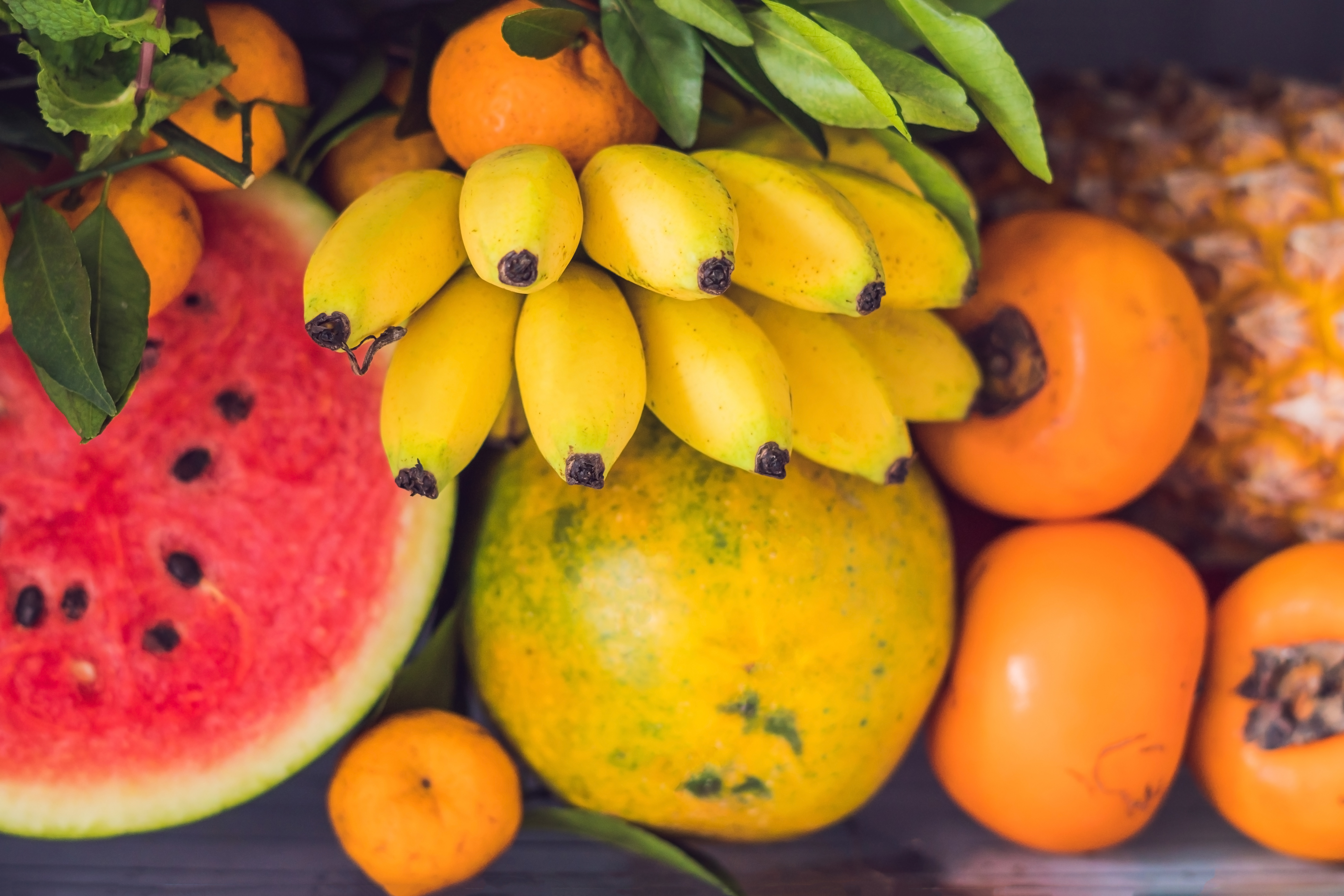
At least twice a week, we get bananas which stay in sort of a queue — some may be green”ish”, some ready to eat now, and those spotted ones that are ready to freeze, which will be used in smoothies and “nice” cream. We also get whole pineapples and line them up on the counter to ripen. Avocados are similar. I refer to them as the now and later queue. They can seem slow to ripen, but when they’re perfectly ripe, they are glorious, so we try to buy a few at various stages of ripeness to keep one or two ready to eat almost every day in our salad or along side a Mexican dish.

We also keep a variety of fruit on the counter for eating/snacking and in the freezer for smoothies, “nice” cream and toppings for waffles or french toast. Dried fruit like dates, figs, cranberries and currants go in everything from muffins to oatmeal. Then there are nuts which we both love. I keep most of them in the freezer to preserve their freshness.

Most of the recipes I make at home last us two to three days. For instance, I make a vegan chili that we love and we generally get at least four meals out of one batch. It helps that my husband actually enjoys repeating the same dish several times in succession. I just tried a new chili mac recipe this last week and he has asked me to repeat it even though it took three days to eat all of the first batch.

In the first few weeks of our new eating lifestyle, I felt a little overwhelmed at being responsible for preparing every single meal every single day. I was so excited that Mark was on board that I was careful not to show my growing fear of failing to prepare enough variety and keep things going, Even though we use them rarely, I was so relieved last summer when we found a “safety net” to keep me from feeling so much pressure. We found a place that will ship a box of 20 delicious frozen dinners which we keep on hand for those rare days when I just can’t get anything prepared. (Like a good many days last December.)

Twice in the last year or so, I have emptied my pantry and cleared out everything that isn’t consistent with our eating lifestyle. (Except for the two small shelves devoted to my grandkids.) There’s no reason to keep temptation staring us in the face when we’re hungry.

I know everyone’s situation is unique and for us, we actually enjoy healthy food. One of our greatest challenges was conquering the convenience factor. That is, the challenge of having convenience food (restaurants) on every corner on our way home from an exhausting day and the temptation to just relax and let someone else prepare our food and determine our food choices.

Now, we really do prefer eating at home and even with so many trips to get fresh produce, we are still saving the money we would have spent eating out.

Next Post…. Eating Out — just ask
I Can Never Give Up ________.

By | Plant Based Eating | No Comments

Just fill in that blank. 
We’ve all said it, right?

Whatever it is. Not that you haven’t tried and maybe even been successful for a while. Our human nature always pushes back against restrictions. So, let’s look at this from a completely different perspective.

Let's not talk about taking away, 
but instead what are you willing
to add to your everyday diet?


Two Questions for You:
1) What are your favorite foods?
2) Why do you like them particularly?

While you’re trying to decide, I want to tell you a little more of our story. Mark and I have many things in common and among those things would be the fact that our parents lived through the great depression when having food was an issue most Americans faced on a daily basis. Our parents’ experience definitely had an impact on the food choices we were offered.

Because Mark’s dad grew up as a farmer, Mark grew up with a very large garden in his backyard. I’m not talking about a 10×10 raised bed, I believe it was 1/2 acre and every inch was tilled and filled with vegetables and fruit trees and vines. I believe that during the lean years of the depression, the families that were able to grow their own food didn’t go hungry as some others did. Mark grew up loving pretty much everything they grew at home even though he didn’t always appreciate the garden chores. One of the first things I learned about him when we first met was how much he loved fruits and vegetables. Salad — BIG salads– were his favorite. He also enjoyed foods I had never heard of, like avocados and mushrooms.

My parents brought from their depression experience their love of some foods that were both inexpensive and nutritious. Dinner at my house was meat, potatoes, vegetables and biscuits, but breakfast and lunch were places to stretch the budget with beans, potatoes, hot cereal and soups. Peanut butter on toast was also one of our go-to breakfasts which I still love to this day. (It’s good any time, not just breakfast.)

I’m quite sure your food experience during your childhood was different from ours, but whatever you learned to love to eat as a child is probably still with you today. So, what do you like?

Italian?

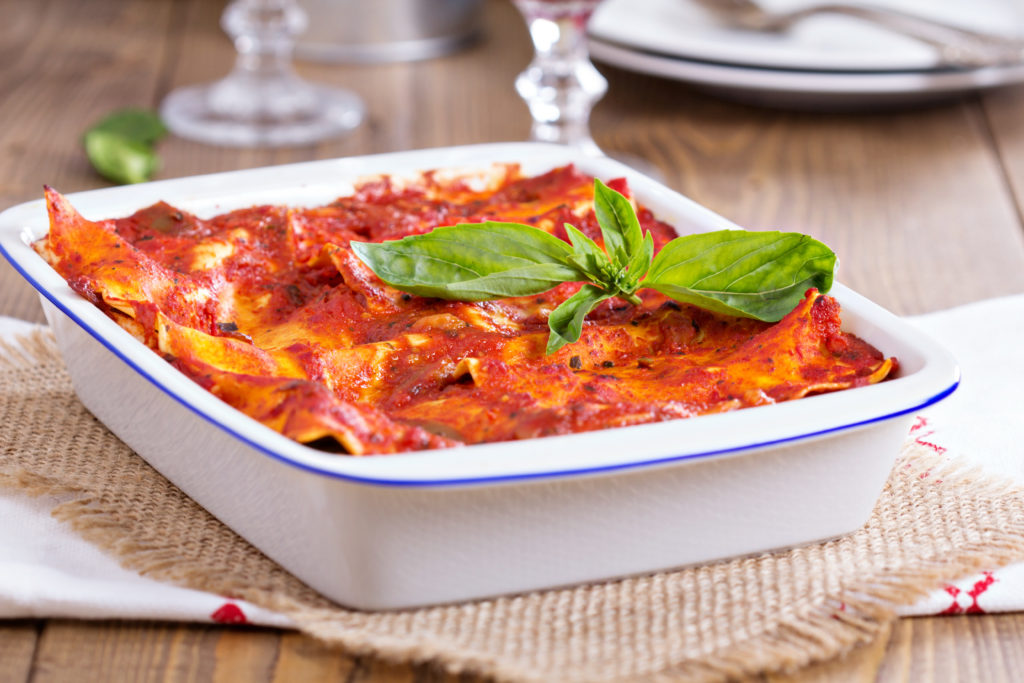
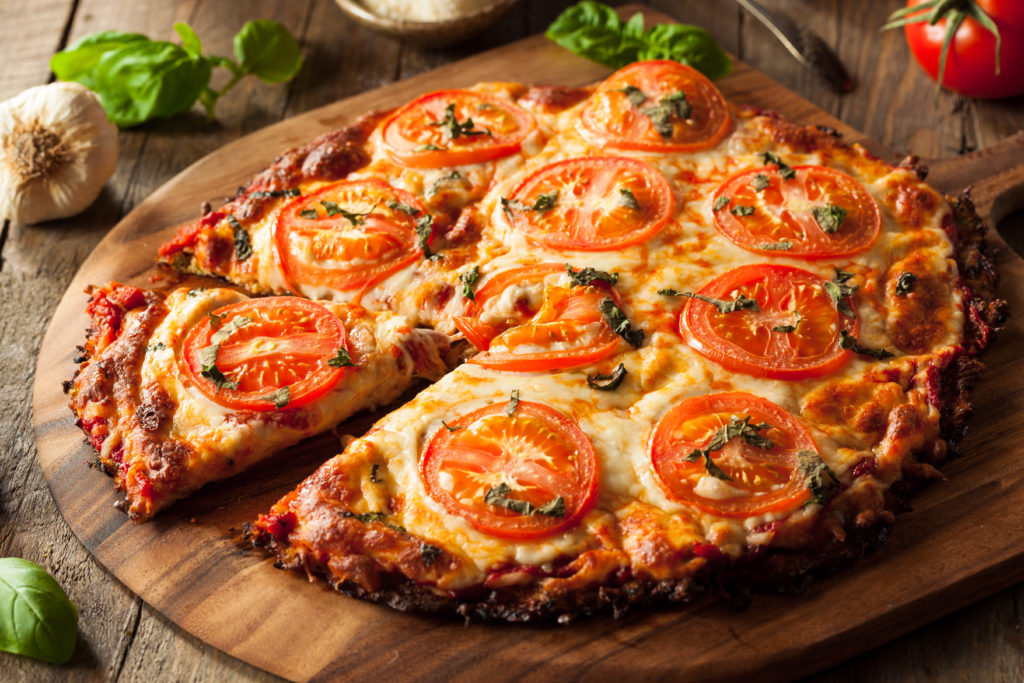
If you’re a fan of Italian Cuisine, there are SO many delicious plant-based options! Our pantry has several different kinds of pasta and lots of delicious marinara sauces. Our favorite pasta is made from chickpeas and comes in all the shapes we love — corkscrew, elbow, lasagna noodles, etc. The first time I made it, Mark was just sure it wasn’t “legal” because it was so good. Then, there’s pizza! Consider adding a vegan version of these two favorites to your menu.

Barbecue?

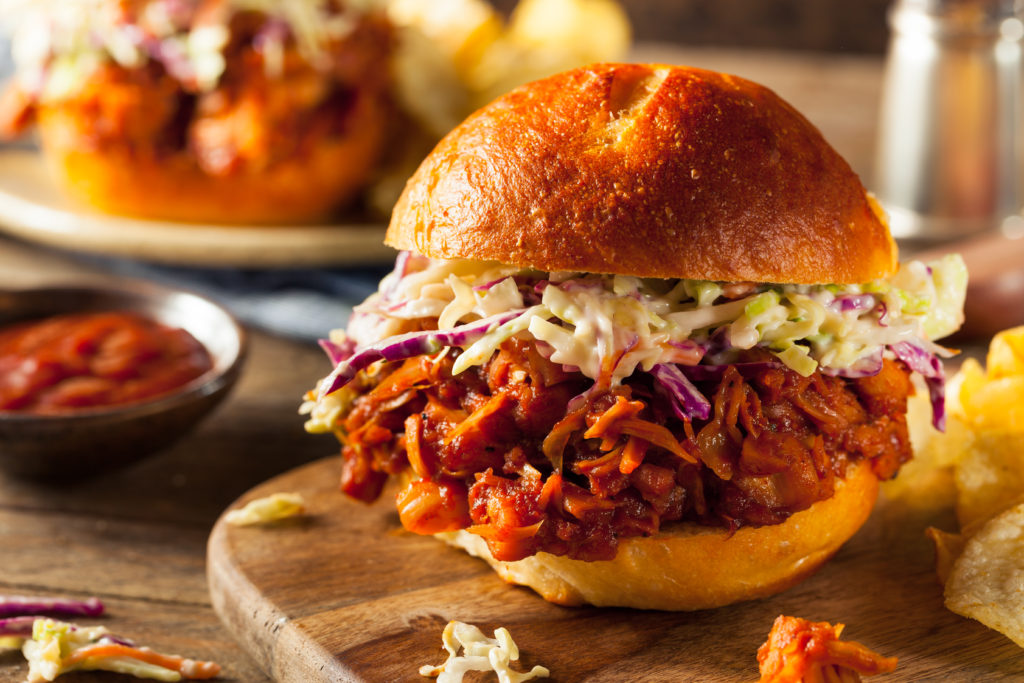
Since we’re from Texas, I guess a love for BBQ is born is us. I haven’t tried jackfruit (pictured above) but we recently discovered another vegan option that makes delicious barbecue — on or off a bun. Pickles, onions and peppers included.

Mexican?

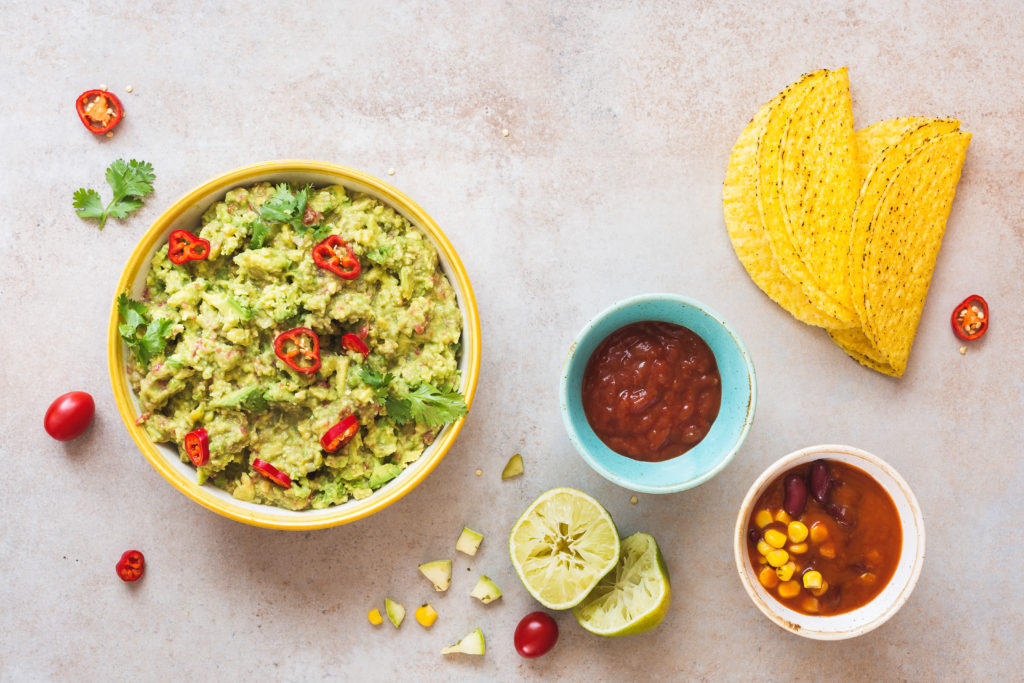
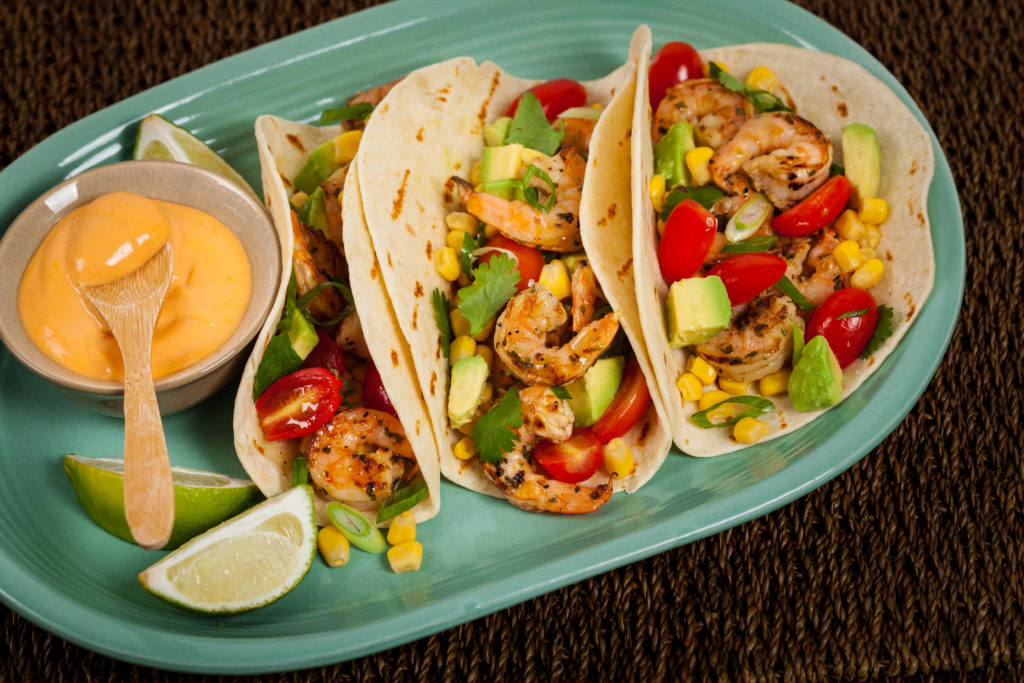
Who doesn’t love chips, guacamole, queso, tacos, burritos and salsa? We make chips without frying and enjoy beans, brown rice, guacamole, salsa and even a vegan queso. Honestly, I could eat this exclusively and be totally content.

I could go on and on, but I’ll stop there. If you are thinking about making a change in your eating habits, I would just encourage you to experiment with some new versions of your old favorites.


Next Post…. Pantry and Fridge — keeping healthy choices handy

Where do you get your protein? And other FAQ’s

By | Plant Based Eating | No Comments

Question 1: If you don’t eat meat or dairy, where do you get your protein?
I have always been taught that one must eat meat for protein, that dairy is essential for calcium and that vegetables and fruit were optional side dishes. I was shocked to find out that plants are actually rich in protein! How did I miss that?

“All natural foods-from lettuce to nuts-contain varying amounts of protein.
If a varied diet sufficient in calories is consumed, it is virtually impossible to get an inadequate protein intake. Even a diet devoid of concentrated sources of protein such as animal products, nuts and legumes will meet optimum protein needs.”
T Colin Campbell, Center for Nutrition Studies
https://nutritionstudies.org/get-protein-where/

Note: The recommended daily allowance of protein for a woman is 44 grams and 55 grams for a man. (The average American eats 
over 100 grams per day.)

Here are just a few examples of protein content in plants:

Protein Content of Common Foods (grams)
Almonds (3 ounces) – 18
Lentils, cooked (1 cup) – 17.9
Kidney beans, cooked (1 cup) – 15.4
Chickpeas, cooked (1 cup) – 14.5
Sesame seeds (1/2 cup) – 12.8
Sunflower seeds (1/2 cup) – 11.5
Broccoli, frozen, cooked (2 cups) – 11.4
Tofu, extra firm (4 ounces) – 11.3
Collards, cooked (2 cups) – 10.3
Spinach, frozen (1 cup) – 7.6
Peas, frozen (1 cup) – 7.0

Question 2: Don’t plants only provide “incomplete” proteins?
That is a common misconception. I won’t go over the details, but here is one article that explains.

Question 3: What does Mark 
like better than chocolate 
ice cream?
Last summer I started making him a chocolate smoothie for breakfast which he still enjoys, but more recently, we have been making chocolate, cherry pecan “nice” cream. It’s super easy and really delicious.

Question 4: Don’t you get bored just eating plants?
So, if I have one super hard challenge with this lifestyle it is ….. (insert drum roll) …. deciding what to eat only because THERE ARE SO MANY OPTIONS!!!
I have a huge queue of recipes. Some are favorites we already have and I try to keep them in rotation all the time, but then there’s all the ones I haven’t even gotten to yet. We are NEVER bored!

Question 5: Aren’t you hungry all the time?
Because plants contain so much fiber, and because we set no limits on amount of food to be eaten, we do not go hungry and, in fact, when we eat, we are super satisfied. If we should get hungry in between meals, we grab some nuts or fruit or blend up a smoothie.

Did you know?…..
There are a growing number of NFL players who are following the vegan lifestyle. Check this out.

Next Post…. How to Start

Three Kinds of Detours

By | Plant Based Eating | No Comments

Before I share my next post on some FAQ’s, I want to spend a little time talking about detours. Please bear with me.

In my life, I have observed three kinds of detours.

  1. Non-Detour Detour: a pathway that seems to be taking us in the wrong direction, but later in life, we see that it was actually the best route.
  2. Wrong Turn Detour: I turned left when I should have turned right and now I am on a self-inflicted detour
  3. Someone Switched the Signs sending me far away from my intended destination.

In my young adult years, I had a series of short-term jobs. Each one seemed unrelated to what I believed was my life’s calling and each one ended abruptly as a result of two moves and the birth of our first two children. Some years after Mark became a senior pastor, I realized that each of those jobs were short-term training sessions teaching me various skills I would need as a pastor’s wife. When I was living through those experiences, I felt jerked around and confused. Now I have to smile and thank God for preparing me for the journey ahead.

One of my weaknesses that often leaves me embarrassed is that I am directionally challenged. I have no sense of north, south or even left or right. That means I often take scenic detours when I’m driving. I sometimes even go in circles just because I took a wrong turn. That is a frustrating detour of my own making. I do best when I listen to my navigation or follow a map instead of trying to follow my instincts no matter how strongly I may feel I know a better way.

When I was a kid, a favorite cartoon featured a roadrunner and a coyote. The roadrunner was always going at a high speed and the coyote was always scheming to get him to go the wrong way. One trick he used over and over was switching a sign to send the roadrunner in the wrong direction. There’s nothing more frustrating than trusting in signs that actually take you where you don’t want to go.

As Mark mentioned in his recent message it’s important to check out any potential motive behind those who would advise us on any subject. Anyone telling us the truth will welcome a careful examination of the facts, but In some cases, there is an intentional deception in order to profit from our ignorance. In addition to that, we can also be misled by others who have themselves been misinformed.

When I was growing up, my Dad worked for a soft drink company. In that age of loyalty and integrity, my Dad took his job very seriously and was very loyal to the company and the product he helped to sell. This loyalty was very deep on his part and affected our life on a personal level. One experience I remember well was when my Dad took me to get a hamburger and I asked for a competitor’s product as my drink. He didn’t say anything to me, but returned with a milkshake instead of what I had asked for. He later explained that he was wearing his uniform and it would not have been appropriate for him to buy that for me.

When Mark and I were dating, we frequently brought the competitors product
 into my house in a paper bag so as not to offend my Dad. 

So, you might imagine my Dad’s response to my older sister when she mentioned that the dermatologist suggested to her that drinking this particular soft drink could be contributing to her acne problem. My Dad very dogmatically denied any such connection. Why? I’m quite sure he had not read any of the reports on the subject. He had not talked with any professionals or performed any independent studies. He was dogmatic because he believed so strongly in what he spent a lifetime promoting and from which he made a living for our family. It would seem disloyal to even objectively consider the possibility that this product might be harmful in any way, so we never brought that up again.

I believe most Americans have fallen victim to a detour. It’s known as the Standard American Diet (SAD). In some cases, we have been misled unintentionally by well-meaning friends and family, but in most cases the signs have been switched.

That’s what I want to talk about in my next post.

Moving in a New Direction

By | Plant Based Eating | No Comments

One step at a time…

It didn’t happen overnight. There were steps on this journey for us.

It was a little over two years ago when Mark’s silent migraines were becoming a serious problem. When he did some reading on diet soda, he decided to give it up cold turkey and the result was no more migraines! That same day, we were packing for a conference in California. Because it was Labor Day weekend, we arrived a couple of days early to relax before the conference started. Since we had some free time, which is very rare, Mark suggested we watch a video that had been recommended to us by several people. (Most of them were under 30, by the way). That video “Forks Over Knives” was such an eye-opener that Mark announced that he wanted to switch to a plant-based diet.

That was a beginning of sorts, but we weren’t really “all in” at that point. I would say that we just started making an effort to become aware of what we ate and tried to eliminate meat. That was a positive step, but only a small one and the benefits were correspondingly small. One of the tough challenges for us was navigating food choices when we traveled. We would usually just consider those times “off” or at least try to make the best choices possible in each situation.

I will insert here that one of my big hangups was dairy. I would often say that I just couldn’t give up cheese. The irony there is that I had given up milk as a beverage back in 2014. That might not sound like a big deal, but I LOVED milk! I have been a big milk drinker all my life, so much so that I would buy 3 or 4 gallons a week and I was the only one drinking them. When we would travel, we always needed refrigeration so Mark could have his diet soda and I could have my milk. Then, in February of 2014, a friend sent me an article — with pictures — showing the high content of pus in milk. I have not had one single glass of milk since that day. This is not the article, but covers the same material.

So, I didn’t drink milk, but I ate cheese. That isn’t even logical, but nevertheless, I had a hard time getting dairy out of my diet.

It was last summer that we came across a video from a preacher that had experienced a dramatic improvement in his health due to a change in his diet. Mark watched a message he preached and was very impressed that this person travels all over the world — all the time — and still manages to eat healthy. We immediately got a copy of the book he and his wife wrote together, Breaking the Stronghold of Food by Dr. Michael and Nancy Brown. This book is not only informative, it is also entertaining! 

So, on June 17, 2018, we made a commitment to change our eating to be strictly Whole Food Plant Based. And this was only a short time before we knew we would be traveling. (I have an upcoming post showing some of what that was like — traveling on a WFPB diet.)

After reading that book together, we started reading some of the other books they recommended. The next one on our list was Eat to Live by Dr. Joel Fuhrman. I also discovered what is now my favorite cookbook, How Not To Die Cookbook by Dr. Michael Gregor.

All of the scientific evidence was overwhelmingly convincing — and, everything we read just reinforced how God’s design is so wonderful. So, we are still reading and watching and eating WFPB.

Here are a few other informative resources:

Documentaries:
What the Health
Fed Up

Website:
NutritionFacts.org


Next Post… Where do you get your protein? — and other FAQ’s

Freely Eat — No Limits

By | Plant Based Eating | One Comment

29Then God said, “Look! I have given you every seed-bearing plant throughout the earth and all the fruit trees for your food. Genesis 1:29

This verse was not the inspiration for our new diet, but it could have been. In fact, there is a religious group that does refer to this verse to guide their eating and they are probably the healthiest group in the United States.

I love to read Genesis chapters one and two. It’s such an amazing story and a wonderful time and place to visit in my imagination. It takes some work to imagine what it must have been like to live in that world of perfection because we have only ever lived in a world of sin. It’s almost impossible to imagine our lives without pain, shame, guilt, hatred and all the other by products of sin. In these first two chapters of the Bible, before sin came in, everything was just as God intended, just as He designed it. God made everything good — very good — including the food. Adam and Eve never went hungry, but they also didn’t have to count calories to lose weight. God gave them the most wonderful food and plenty of it. In fact, all they could eat! No limits!

What did they eat? Plants! That’s what we eat at our house, plants. Fruits, vegetables, legumes, nuts and seeds. I would try to list all the options here, but there isn’t room on the page. God made such a huge variety! Different colors and textures. Sweet, sour, salty, spicy, all kinds of tastes to enjoy. And there are no worries about which ones are healthy — they ALL are! The same God who designed our bodies, designed the plants to nourish our bodies.

Let me be quick to say that I am not suggesting that eating foods that are not plants is wrong. What we have discovered from reading through a great deal of research is that plant-based foods are ideal. It’s not a matter of right and wrong, it’s a matter of what’s best. There are many options that are good, others are better and still others are the best options available. From all we have read, plant-based foods appear to be the best option for our bodies to be healthy.

When eating plants, which are high in fiber, our bodies register fullness much faster. That means we are satisfied and much less likely to overeat. In fact, some say these foods are self-limiting.

We also avoid processed foods as much as possible, including refined sugars, white flour and all extracted oils. Our goal is to eat foods as close to their original form as possible and with as little chemical additives as possible.

We have found that white sugar does not compare with the wonderful sweetness of dates — which we use as our go-to sweetener. I don’t recall ever eating a date until a year ago, but they are now such a favorite! I use them in smoothies, oatmeal, baking and plain old snacking.

Next post will be a list of books and videos that have helped us on this journey.